Remakes, Lyrics and Fix Zero Nicotine Free Pouches
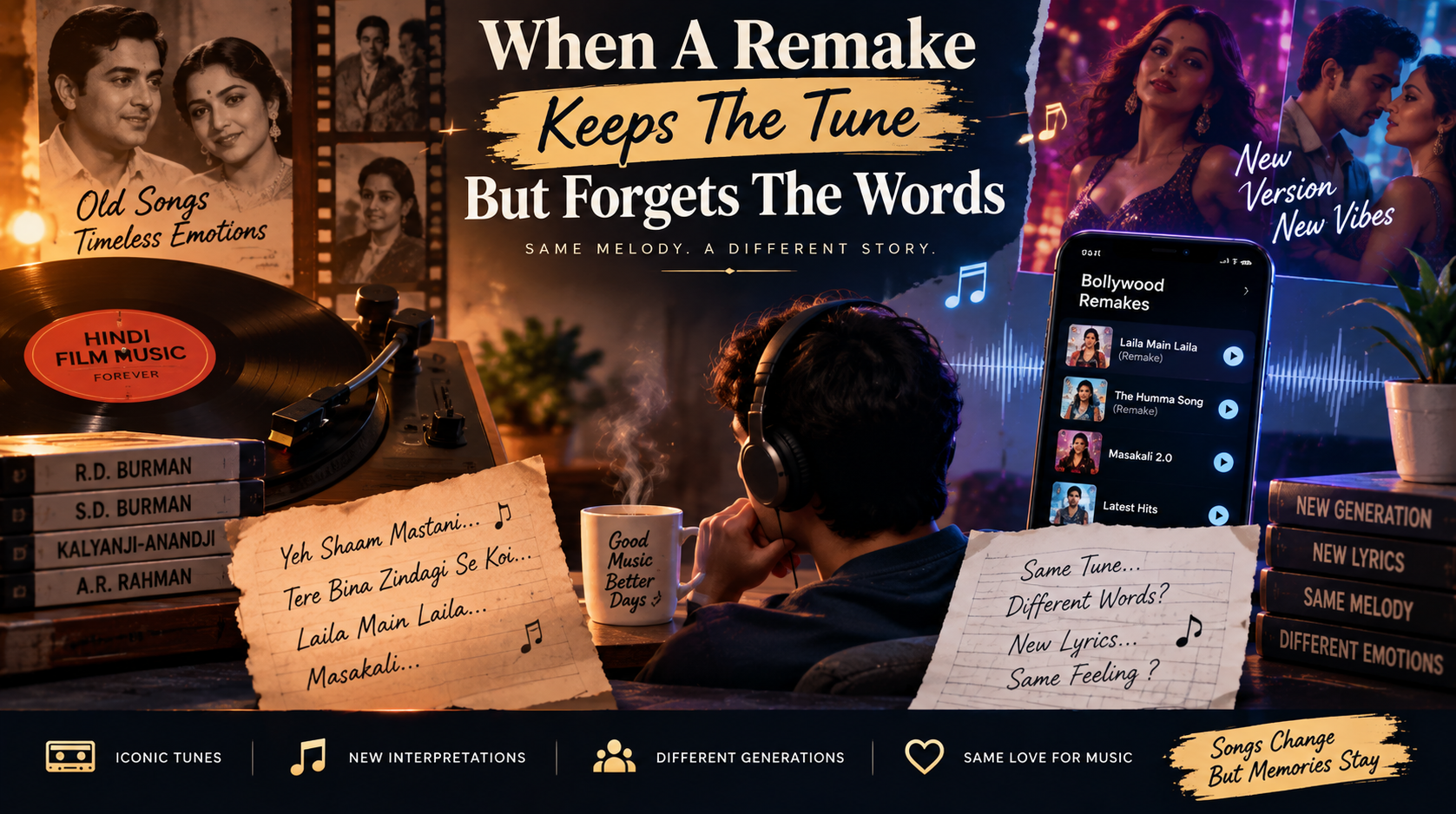
When A Remake Keeps The Tune But Forgets The Words
Anyone who listens to Hindi film songs across old radio recordings, television shows, and today’s streaming apps will have felt that strange jolt when a beloved melody returns in a new film but the words feel oddly unfamiliar. The tune promises one emotion, the lyric delivers another, and the listener is left somewhere in between, humming along yet not quite at home.
How melody and lyric work together
In Hindi film music, the strongest songs are usually the result of a deep conversation between composer and lyricist, where the tune is shaped to the words and the words are bent gently to the tune. Think of S D Burman and Shailendra in “Yeh Shaam Mastani” from Kati Patang (1971) or R D Burman and Gulzar in “Tere Bina Zindagi Se Koi” from Aandhi (1975). In both songs, the rise and fall of the melody mirrors each syllable, and the emotional arc of the line lands exactly on the musical peak. When later remakes keep the melody but change the lyric to suit a different storyline or a more current vocabulary, that original balance can slip, and listeners who know the first version often sense a disconnect even if they cannot immediately explain it.
When words no longer fit the tune
The trend of remaking songs in Hindi cinema, especially since the early 2000s, has produced many examples where the basic tune remains but the lyric shifts in tone or meaning. A well-known case is “Laila Main Laila” from Qurbani (1980), composed by Kalyanji-Anandji with lyrics by Indeevar and sung by Kanchan and Amit Kumar; its 2017 version in Raees keeps that unforgettable hook line and melody but adds new lines that lean more on swagger than on the playful seduction of the original, altering the mood while the listener’s memory still expects the older emotion. Similarly, A R Rahman’s “Ek Ho Gaye Hum Aur Tum” from Bombay (1995) was reborn as “The Humma Song” in Ok Jaanu (2017). While the composer’s tune underpins both, the newer lyric and production shift the song toward a party setting, so the intimate romance of the first version sometimes clashes with the casual, almost throwaway feel of the new words. Listeners report something similar with “Masakali” from Delhi-6 (2009), written by Prasoon Joshi, when they hear “Masakali 2.0” released in 2020; the tune is present, but the lyric’s imagery and attitude no longer quite match the gentle, offbeat charm that made the original a cult favourite.
All of this is felt most clearly in the small rituals around listening itself, when fans loop old and new versions back to back on phones or laptops, some even treating long playlists as a background to everyday habits like sipping tea or, in some cases, using fix zero nicotine free pouches while they compare how a line lands differently across decades. They might also click through prompts such as see the FIX Zero range here or browse Gigasnus.com out of curiosity as part of the same casual routine. In those moments, the listener’s body remembers the phrasing, the pauses, and even the breath between words, so when a remake keeps the melodic contour but shifts the lyric’s rhythm or replaces layered poetry with simpler, slogan-like lines, the contrast becomes even more striking.
Why listeners still care about lyrics
Even in an era of quick singles and short video clips, regular users of music platforms continue to care about what the words are saying, especially when a melody has followed them from childhood television reruns to present-day playlists. Lyrics carry cultural references, regional idioms, and emotional codes; they can turn a basic tune into a memory that belongs to a specific person, family, or city. When a remake retains the melody but abandons the original lyric’s nuance, many listeners feel that a shared piece of language history has been thinned out, even if the new version is catchy enough for casual listening. On the other hand, when filmmakers respect the interplay of tune and text and allow new lyricists to respond creatively to the old mood instead of flattening it, remakes can introduce classic melodies to younger audiences without erasing what made them special in the first place. That ongoing debate, playing out every time a familiar hook returns with unfamiliar words, keeps fans attentive not only to how songs sound but also to what they say, and that attention is part of what makes Hindi film music such a vivid, evolving tradition.