Slot Gacor in the Digital Era: Understanding Player Perceptions and the Technology Behind Online Slots
Introduction
The online gaming industry has expanded rapidly over the past decade, bringing with it a new vocabulary that reflects player culture and internet trends. Among the most recognizable terms in Indonesia is “Slot Gacor.” Although widely used by players, streamers, and affiliate websites, the phrase is not an official classification recognized by game developers or gaming regulators.
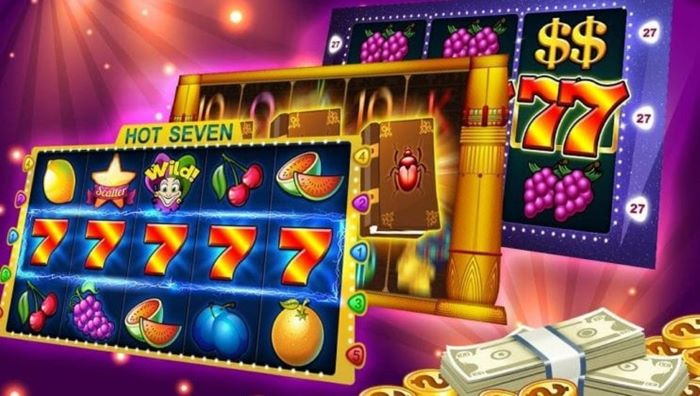
Instead, “Slot Gacor” has become a community expression describing a slot game that appears to produce frequent wins or bonus features during a particular period of play. This article explores the origins of the term, how online slot games operate, the statistical concepts involved, and why the idea of a “gacor” slot remains popular despite the random nature of licensed slot machines.
The Origin of the Term
The Indonesian word gacor originally referred to birds that sing actively and consistently. Over time, the expression evolved into internet slang describing anything that performs exceptionally well.
Within Slot Online communities, a “gacor” slot generally refers to a game that players believe is paying out more frequently than usual. The term spread quickly through social media, live-streaming platforms, online forums, and gambling affiliate websites, becoming one of the most searched gambling-related phrases in Southeast Asia.
Because the definition is based on player experience rather than technical standards, different players may describe different games as “gacor” depending on their individual results.
How Licensed Online Slots Work
Modern online slot games rely on mathematical models rather than predictable payout schedules.
At the center of every licensed slot is a Random Number Generator (RNG), a software system that continuously generates random values. Each time a player presses the spin button, the game selects one of these values to determine the symbols displayed on the reels.
This design means:
- Each spin is independent of previous spins.
- Previous wins or losses do not affect future outcomes.
- No publicly verified strategy can consistently predict when a jackpot or bonus feature will occur.
Independent testing laboratories audit licensed games to verify that their RNG systems produce outcomes within the expected statistical range and comply with applicable regulations.
RTP and Volatility
Two technical concepts provide more useful information about slot games than the informal idea of “gacor.”
Return to Player (RTP)
RTP is the theoretical percentage of total wagers that a game is designed to return to players over a very large number of spins.
For example, a slot with a 96% RTP is mathematically expected to return approximately 96 units for every 100 units wagered across millions of spins. Individual sessions can vary significantly because of randomness.
Volatility
Volatility describes how wins are distributed.
- Low volatility: Smaller wins occur more frequently.
- Medium volatility: A balance between win frequency and prize size.
- High volatility: Larger prizes are possible but may occur after longer losing streaks.
Players sometimes describe low-volatility games as “gacor” because they produce more regular payouts, even when the long-term RTP is similar to other games.
Why the Idea of Slot Gacor Persists
The popularity of the term can be explained through several psychological and social factors.
Confirmation Bias
People naturally notice information that supports their existing beliefs. A player who believes a particular slot is “gacor” may remember winning sessions more clearly than losing ones.
Availability Bias
Large jackpot videos and winning screenshots are widely shared online, while losing sessions are rarely posted. This creates the impression that major wins happen more frequently than they actually do.
Pattern Recognition
Humans are skilled at identifying patterns, even in random sequences. Consecutive wins may feel meaningful, although they can occur naturally in random systems.
The Influence of Online Content
Search engines and social media have played a significant role in the popularity of “Slot Gacor.”
Many websites publish daily articles featuring topics such as:
- Today’s recommended slots
- RTP rankings
- Suggested playing times
- Bonus predictions
- Popular slot providers
Some of this content is educational, while much of it is promotional or speculative. Readers should distinguish between evidence-based explanations and marketing claims that promise unusually high winning chances without supporting data.
Evaluating Claims Critically
When reading information about online slots, it is useful to consider several questions:
- Is the information based on verified technical documentation?
- Does it distinguish between theory and personal opinion?
- Are statistics explained accurately?
- Does it promise guaranteed outcomes or secret methods?
- Is the source transparent about promotional relationships?
Approaching online content critically helps readers separate measurable facts from anecdotal experiences.
Responsible Participation
For adults who choose to participate where online gambling is legal, responsible play involves setting clear financial and time limits, understanding that outcomes are random, and viewing gambling primarily as entertainment rather than as a dependable way to earn money.
Learning about RTP, volatility, and bonus mechanics provides a stronger foundation for understanding slot games than relying on claims of guaranteed “gacor” periods or hidden strategies.
Conclusion
“Slot Gacor” is an influential community term that reflects how players describe positive experiences with online slot games. Although it has become a major internet search trend, it is not an official technical classification used by game developers or regulators.
Understanding the role of Random Number Generators, Return to Player percentages, and volatility offers a more accurate perspective on how licensed online slots function. By combining technical knowledge with critical evaluation of online claims, readers can better understand the distinction between statistical game design and personal perception.